
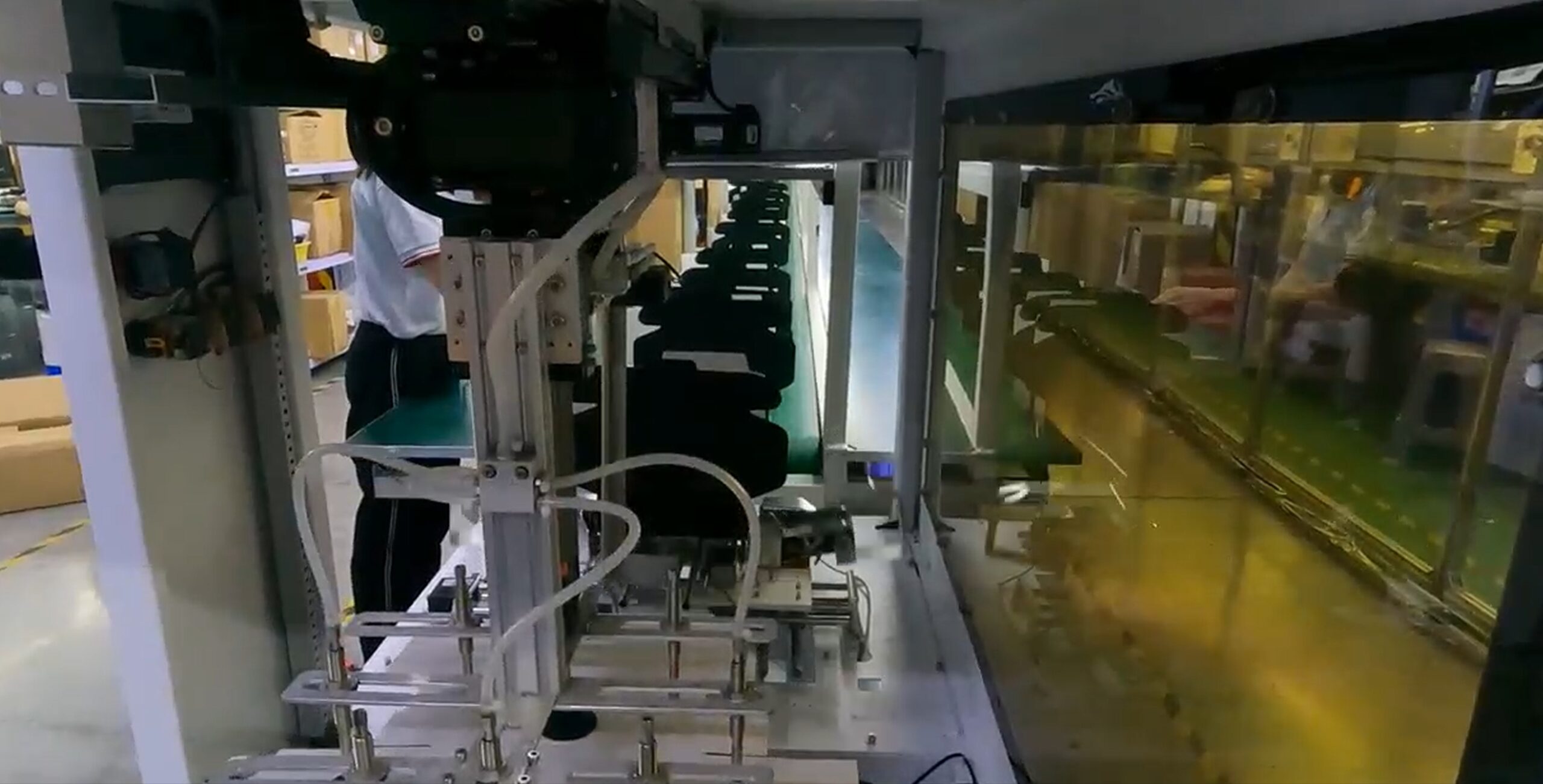
- Innovative solutions for workflow with https://simplify-ai.uk boost productivity and streamline operations
- Boosting Efficiency with Intelligent Automation
- The Role of AI in Process Optimization
- Streamlining Communication and Collaboration
- Centralized Information Hubs
- Data-Driven Insights for Continuous Improvement
- Key Performance Indicators (KPIs) to Track
- Enhancing Employee Empowerment through Workflow Solutions
- The Future of Workflow and Adaptive Technologies
Innovative solutions for workflow with https://simplify-ai.uk boost productivity and streamline operations
In today's rapidly evolving business landscape, optimizing workflow is no longer a luxury, but a necessity for sustained growth and competitive advantage. Many organizations find themselves grappling with inefficiencies, fragmented processes, and an overwhelming amount of data. This often leads to reduced productivity, increased costs, and a less-than-ideal employee experience. Fortunately, innovative solutions are emerging to address these challenges, and https://simplify-ai.uk is at the forefront of this transformation, offering a suite of tools designed to streamline operations and unlock new levels of efficiency.
The key to successful workflow optimization lies in leveraging technology to automate repetitive tasks, improve communication, and provide valuable insights into process performance. Traditional methods often fall short, requiring manual intervention, leading to errors, and limiting scalability. Modern approaches, powered by artificial intelligence and machine learning, can intelligently adapt to changing conditions, learn from data, and continuously improve processes over time. Therefore, exploring solutions like those offered by Simplify AI is critical for businesses looking to remain competitive and thrive in a dynamic market.
Boosting Efficiency with Intelligent Automation
Intelligent automation is rapidly becoming a cornerstone of modern business operations. It extends beyond simple robotic process automation (RPA) by incorporating machine learning, natural language processing, and other AI technologies. This allows systems to not only automate repetitive tasks but also to understand complex data, make informed decisions, and adapt to changing circumstances. The benefits of intelligent automation are numerous, including reduced operational costs, improved accuracy, faster turnaround times, and increased employee satisfaction. By freeing up employees from mundane tasks, they can focus on more strategic and creative work, fostering innovation and driving business growth. Simplify AI’s platform centralizes many of these functions, allowing managers to track progress and identify areas for continued improvement.
The Role of AI in Process Optimization
Artificial intelligence plays a pivotal role in identifying bottlenecks and inefficiencies within existing workflows. AI-powered analytics tools can analyze vast amounts of data to uncover hidden patterns and insights that would be impossible for humans to detect. This data can then be used to optimize processes, improve decision-making, and predict future outcomes. For example, AI can be used to optimize supply chain management, predict equipment failures, or personalize customer experiences. When implemented correctly, AI doesn’t replace human workers, it empowers them to be more effective. It supplements their skills, providing intelligent assistance and enabling them to focus on tasks that require creativity, critical thinking, and emotional intelligence.
| Feature | Benefit |
|---|---|
| Automated Data Entry | Reduces errors and saves time |
| Intelligent Document Processing | Extracts data from unstructured documents quickly and accurately |
| Workflow Orchestration | Streamlines processes and improves collaboration |
| Real-Time Analytics | Provides actionable insights into process performance |
The table above demonstrates a few of the tangible benefits of using an intelligent automation platform. Implementing these features can lead to significant improvements in efficiency and productivity. Staying ahead of the curve in an increasingly automated world requires proactive investment into technologies like those offered by Simplify AI.
Streamlining Communication and Collaboration
Effective communication and collaboration are essential for successful workflow management. Siloed information and fragmented communication channels can lead to misunderstandings, delays, and errors. Modern workflow solutions prioritize seamless communication and collaboration, breaking down barriers between teams and departments. This can be achieved through features like shared workspaces, integrated messaging platforms, and real-time notifications. By fostering a more collaborative environment, organizations can improve coordination, reduce errors, and accelerate project completion. Simplify AI’s emphasis on integrated communication tools aligns with this prioritization.
Centralized Information Hubs
A centralized information hub serves as a single source of truth for all project-related information. This eliminates the need for employees to search through multiple systems or email threads to find the data they need. Centralized hubs also improve data security and compliance by ensuring that all information is stored in a secure and controlled environment. These hubs often integrate with other business applications, such as CRM and ERP systems, to provide a comprehensive view of the entire workflow. When combined with intelligent search functionality, employees can quickly and easily locate the information they need, saving valuable time and improving productivity. Effective knowledge sharing through such a hub is paramount to the success of modern teams.
- Improved Data Visibility
- Reduced Information Silos
- Enhanced Collaboration
- Streamlined Communication
- Increased Productivity
The benefits of a centralized information hub are clear. It's a crucial component in building a more efficient and collaborative workplace and forms a key aspect of the Simplify AI approach to workflow solutions.
Data-Driven Insights for Continuous Improvement
Workflow optimization is not a one-time event; it’s an ongoing process of continuous improvement. To identify areas for improvement, organizations need access to accurate and timely data. Modern workflow solutions provide robust analytics capabilities, allowing businesses to track key performance indicators (KPIs), identify bottlenecks, and measure the impact of process changes. This data can be visualized through dashboards and reports, making it easy to understand performance trends and identify opportunities for optimization. By leveraging data-driven insights, organizations can make informed decisions and continuously refine their workflows to achieve greater efficiency and effectiveness.
Key Performance Indicators (KPIs) to Track
Identifying the right KPIs is crucial for measuring the success of workflow optimization efforts. Some common KPIs include cycle time, error rate, cost per transaction, and customer satisfaction. It’s important to choose KPIs that are aligned with the organization’s overall business goals. For example, if the goal is to reduce costs, then KPIs related to cost per transaction should be prioritized. Regularly monitoring these KPIs allows organizations to track progress, identify areas where improvement is needed, and measure the impact of process changes. The platform provided by Simplify AI allows for custom reporting and KPI tracking, tailoring the data analysis to specifically fit the needs of the business.
- Define Clear Objectives
- Identify Relevant KPIs
- Track Performance Regularly
- Analyze Data for Insights
- Implement Changes and Measure Results
Following these steps will provide a robust pathway to achieving lasting workflow improvements. By taking a systematic approach to data analysis and continuous refinement, organisations can unlock significant gains in efficiency and productivity.
Enhancing Employee Empowerment through Workflow Solutions
Workflow optimization isn't simply about automating tasks; it’s also about empowering employees to do their best work. When processes are streamlined and efficient, employees are less frustrated and more engaged. Providing employees with the right tools and resources, and removing obstacles that hinder their progress, can significantly boost morale and productivity. Furthermore, workflow solutions can facilitate better communication and collaboration, fostering a more positive and supportive work environment. The best solutions are designed with the end-user in mind, offering intuitive interfaces and user-friendly features. Empowered employees are more likely to take ownership of their work, contribute innovative ideas, and deliver exceptional results.
Investing in employee training and development is also crucial. Employees need to understand how to use the new tools and processes effectively. Providing ongoing support and resources can help them overcome challenges and maximize their potential. By fostering a culture of continuous learning and improvement, organizations can ensure that their employees are equipped to thrive in a rapidly changing business environment. Successfully adopting new workflow solutions requires a collaborative effort between management and employees, with a shared commitment to continuous improvement.
The Future of Workflow and Adaptive Technologies
The future of workflow management will be increasingly shaped by adaptive technologies, particularly artificial intelligence and machine learning. These technologies will enable systems to autonomously optimize processes, predict potential issues, and adapt to changing conditions in real-time. We’ll see a shift towards more personalized and intelligent workflows, tailored to the specific needs of individual employees and customers. Low-code/no-code platforms will also become more prevalent, empowering business users to build and modify workflows without requiring extensive technical expertise. This democratization of workflow automation will accelerate innovation and drive greater efficiency across organizations. The evolution happening around these disciplines is significant, and companies prepared to rapidly deploy and leverage these solutions stand to see outsized gains.
Consider a scenario within a retail supply chain. Traditionally, forecasting demand and adjusting inventory levels was a largely manual process, prone to errors and inefficiencies. However, with the advent of AI-powered forecasting tools, retailers can now accurately predict demand fluctuations, optimize inventory levels, and minimize waste. These systems can analyze vast amounts of data, including historical sales data, seasonal trends, and external factors like weather patterns and economic indicators, to generate highly accurate forecasts. This proactive approach not only reduces costs but also improves customer satisfaction by ensuring that products are available when and where they are needed. Platforms like those offered by https://simplify-ai.uk are paving the way for this level of intelligent automation, enabling businesses to unlock their full potential.
发表回复